Menu


Probate is the legal process of administering a person’s estate after death and is overseen by the probate court. An Application to Probate the Will is filed with the court, along with the original Will, and after a waiting period, there is a hearing before the judge. At the hearing, the judge determines the validity of the Will and appoints the executor. If a person dies without a Will, an alternative probate proceeding called a Determination of Heirship is filed with the court. A Determination of Heirship is generally more costly and time-consuming than the probate of a valid Will.
Not all assets are subject to probate, such as assets that have been placed into a Revocable Living Trust. Assets that are subject to beneficiary or transfer-on-death designations do not pass through probate, and, instead, they transfer directly to the named beneficiary.
At Oaks, Hartline & Daly, LLP we understand that probate is an unfamiliar, complicated, and sometimes intimidating process. Our attorneys have decades of high-level probate experience and will be with you every step of the way, guiding you to a successful resolution and making the process as simple and seamless as possible.
Generally, a person’s estate must pass through probate, regardless of whether they died with or without a Will. A person who died with a Will is said to have died testate, while a person who died without a Will died intestate. For individuals who died with a Will, the court will review the Will to ensure it is valid and enforceable. Once the executor has been appointed by the court, the executor will administer the estate according to the instructions in the Will. For individuals who died without a Will, the court will follow state intestacy laws that determine who will inherit your property at your death.
Typically, the probate process involves:
A person wishing to avoid probate can utilize a Revocable Living Trust and various beneficiary designations as part of their estate plan. Assets that have been placed into a Revocable Living Trust, have a beneficiary designation, or are subject to a transfer-on-death or payable-on-death designation are not subject to probate court jurisdiction and do not require probate court approval to transfer. However, individuals who used a trust or beneficiary designations as part of their estate plan may still need to open an estate to address any probate assets. While using beneficiary designations to avoid probate can be a good option for some people, for people with minor children or large accounts, a beneficiary designation naming a person, as opposed to a trust, is usually not recommended.
Losing a loved one is never easy, and navigating what comes next can feel overwhelming. The Texas probate attorneys at Oaks, Hartline & Daly can ease your burden and help you settle your loved one’s affairs with clarity and confidence. Our attorneys have decades of high-level probate experience and will help make the probate process as simple and seamless as possible.
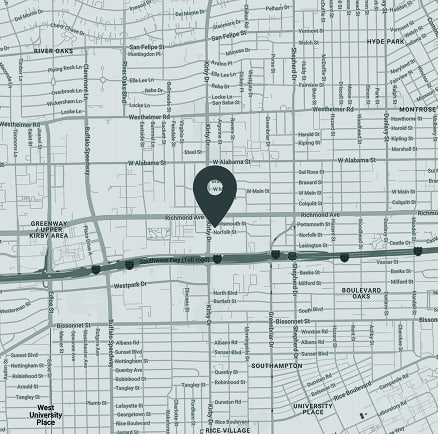
Oaks, Hartline & Daly, LLP is located in Houston and proudly serves clients throughout Texas. We invite you to contact our law firm for more information and to schedule an appointment to discuss how we can assist you.
"*" indicates required fields

© 2026 Oaks, Hartline & Daly, LLP
| View Our Disclaimer | Privacy Policy
Law Firm Website Design by The Modern Firm